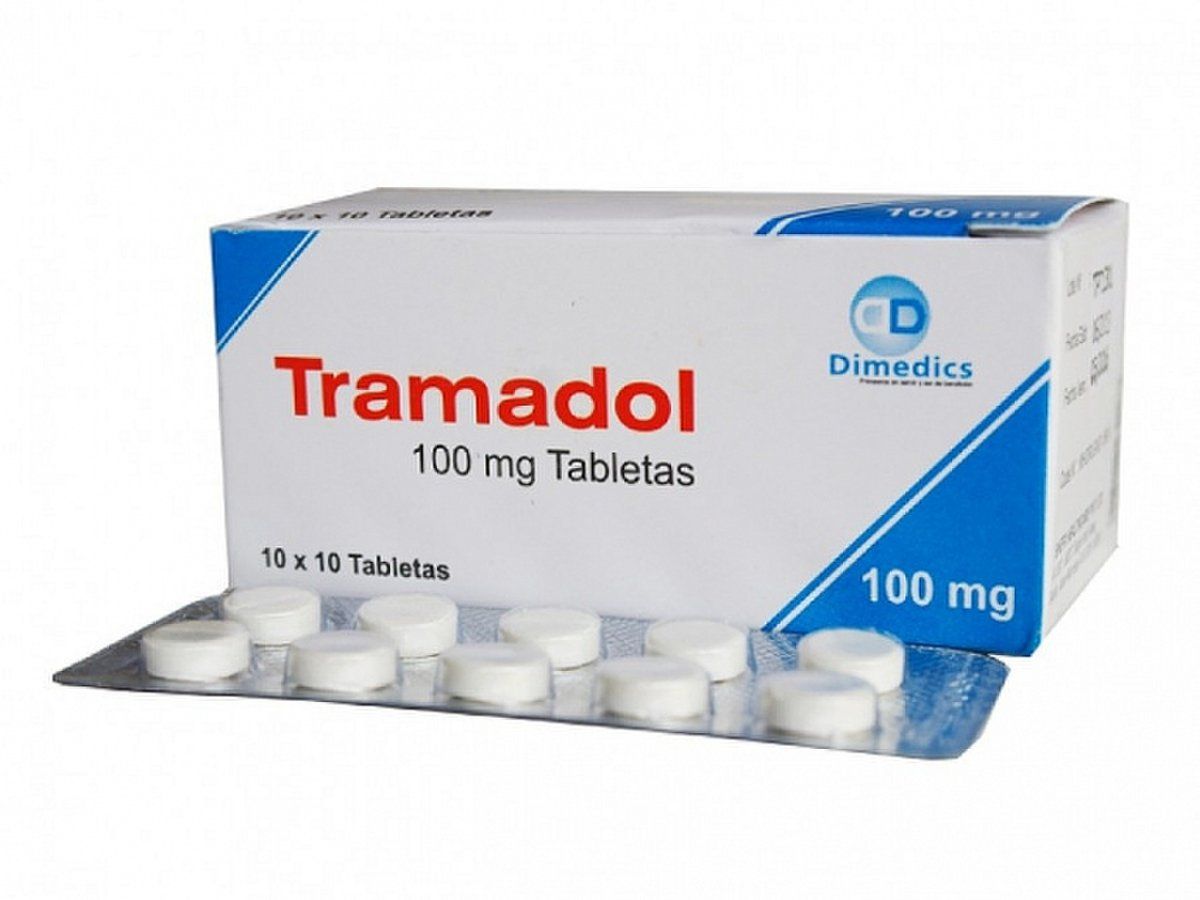
Post-surgery pain can be challenging, and managing it effectively is critical for a smooth recovery. One medication commonly prescribed for this purpose is Tramadol 100mg. In this article, we will explore how Tramadol 100mg works for post-operative pain, what to expect, safety precautions, and tips for optimal recovery.
Understanding Post-Surgery Pain
After surgery, the body undergoes tissue trauma, leading to inflammation and nerve sensitivity. This triggers pain, which can range from mild discomfort to severe, debilitating pain. Proper pain management is essential not only for comfort but also to facilitate mobility, reduce stress, and prevent complications such as chronic pain or delayed healing.
Tramadol 100mg is often prescribed for moderate to severe post-operative pain when over-the-counter painkillers are insufficient. Its dual action helps manage both acute and persistent pain effectively.
How Tramadol 100mg Helps After Surgery
Tramadol 100mg works by binding to opioid receptors in the central nervous system and inhibiting the reuptake of serotonin and norepinephrine. This dual mechanism helps reduce the perception of pain and improves the overall pain threshold.
For post-surgery patients, this can mean faster relief and better tolerance of movement, which is essential for physical therapy and preventing post-operative complications like blood clots or stiffness.
When to Start Tramadol 100mg Post-Surgery
Typically, doctors prescribe Tramadol 100mg shortly after surgery once the initial acute pain is assessed. Timing is crucial: starting too early may increase side effects, while starting too late can prolong discomfort and hinder recovery.
The medication is usually taken orally in tablet form and should always be used exactly as prescribed. Doctors may adjust the dose based on your pain levels, age, weight, and overall health condition.
Expected Benefits of Tramadol 100mg for Recovery
Post-surgery patients taking Tramadol 100mg can expect several benefits:
-
Effective pain relief: Reduces the intensity of post-operative pain, allowing patients to rest comfortably.
-
Improved mobility: Pain control encourages movement and physical therapy, which accelerates recovery.
-
Better sleep: Reduced discomfort promotes uninterrupted sleep, aiding healing.
-
Enhanced mood: By managing pain, patients experience less stress and anxiety during recovery.
The combination of pain relief and improved daily functioning makes Tramadol 100mg a preferred choice for many surgical recovery plans.
Safety Considerations and Risks
While Tramadol 100mg is effective, it comes with potential risks, especially for post-surgery patients. Certain factors need careful consideration:
-
People with kidney or liver conditions may require adjusted doses.
-
Patients with a history of seizures or substance use disorders need careful monitoring.
-
Combining Tramadol 100mg with other sedatives or alcohol can increase the risk of respiratory depression.
For those seeking reliable medications under proper medical supervision, brands like Xanaxkopen provide options. However, it is critical to use the medication strictly according to your doctor’s prescription to avoid complications.
Common Side Effects Post-Surgery
Patients taking Tramadol 100mg may experience mild side effects, especially during the initial days:
Most side effects are temporary, but severe symptoms like difficulty breathing, extreme dizziness, or confusion require immediate medical attention.
Tips for Safe and Effective Use Post-Surgery
To get the maximum benefits from Tramadol 100mg after surgery, consider the following:
-
Follow your prescription carefully: Never adjust doses without consulting your doctor.
-
Take with food or water: Helps reduce stomach upset.
-
Avoid alcohol and sedatives: Prevents dangerous interactions and excessive drowsiness.
-
Stay hydrated and eat fiber-rich foods: Helps manage constipation.
-
Monitor your pain levels: Keep a diary to help your doctor adjust doses if necessary.
These precautions help ensure that Tramadol 100mg aids recovery safely and effectively.
When to Contact Your Doctor
Post-surgery recovery involves careful observation. Contact your doctor immediately if you notice:
-
Severe or worsening pain despite taking Tramadol 100mg
-
Difficulty breathing, chest pain, or severe dizziness
-
Signs of an allergic reaction such as rash, swelling, or itching
-
Persistent nausea, vomiting, or constipation unrelieved by home measures
Prompt attention to these symptoms ensures that complications are avoided and your recovery stays on track.
Tramadol 100mg can be a key component in post-surgery pain management. When used correctly, it provides effective pain relief, improves mobility, and supports faster healing. Always follow your doctor’s guidance, monitor your body’s response, and maintain open communication with your healthcare provider. With proper use, Tramadol 100mg can significantly enhance recovery and comfort after surgery.